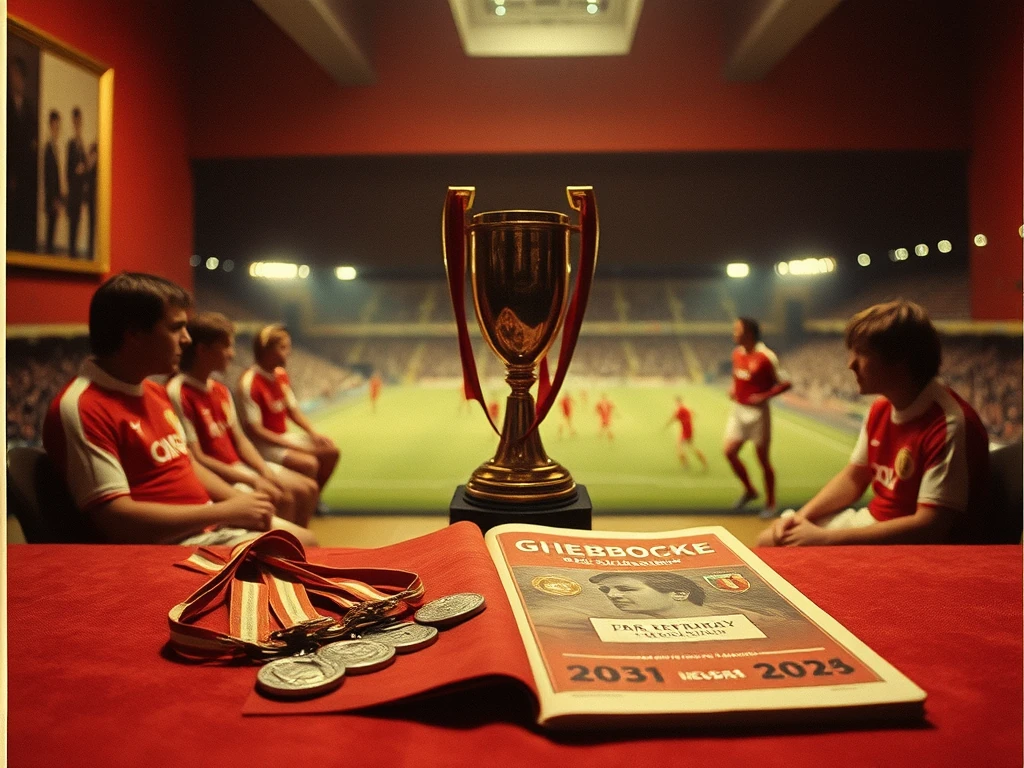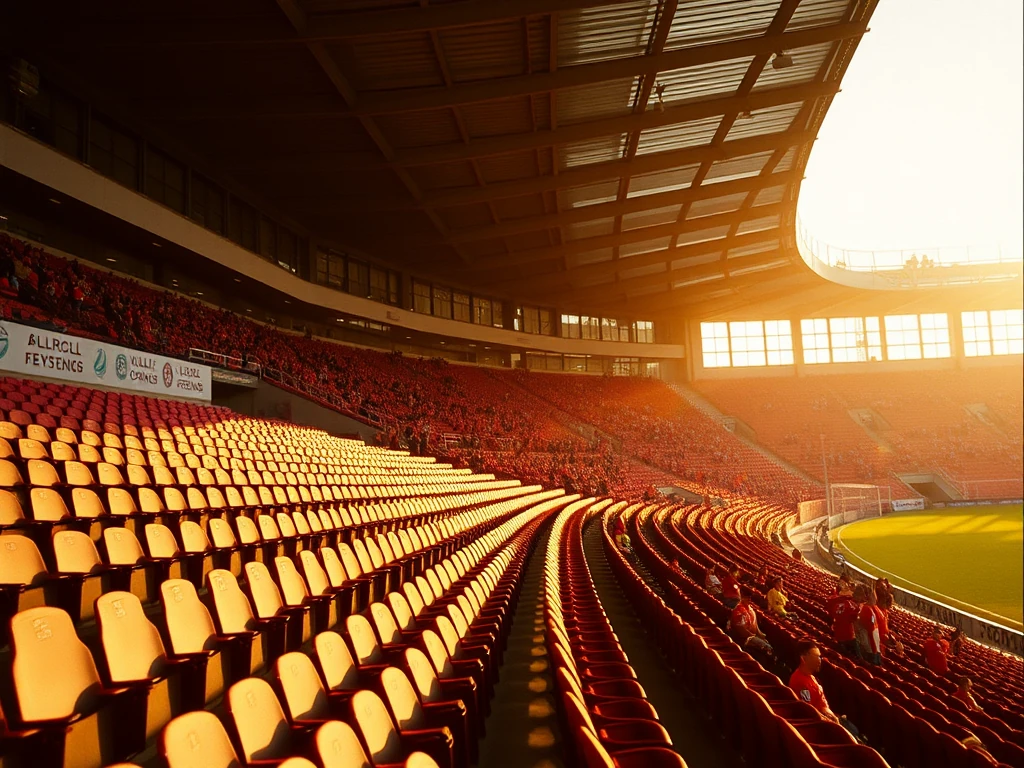
In 1986, 1. FC Köln embarked on a memorable journey in the UEFA Cup, a competition known across Europe for its drama and unpredictability. The Billy Goats, under the management of Ernst Happel, were ready to face some of the best teams in Europe. Köln eventually reached the semifinals, where they faced English club Crystal Palace. The first leg at their home ground, Müngersdorfer Stadion, was a festival of emotions and football.
The atmosphere was electrifying. Fans from all over Cologne flocked to the stadium to support their team, and it was clear that the city stood behind the Geißböcke. Köln won the first leg 2-0, fueling hopes of reaching the final. However, the return match in London was a different story. Despite a challenging situation, the Kölner fought hard, and a thrilling game ended 1-1, securing a 3-1 aggregate victory for Köln.
In the final, Köln faced the Portuguese club Real Madrid. The match took place at the legendary Rheinstadion in Düsseldorf and drew a massive crowd. The Geißböcke were determined to win the prestigious title, but they faced a tremendous challenge. Real Madrid was not only a formidable opponent but also a team with a rich history and a host of stars.
The final was fiercely contested. Köln displayed great determination and fighting spirit, but it was the experience and class of the Madrid team that made the difference. The game ended 5-1 in favor of Real Madrid. Despite the defeat, the Geißböcke left a lasting impression and proved their competitiveness on the European stage.
This UEFA Cup run remains unforgettable for many fans. It not only demonstrated the strength and talent of the team but also created a deeper bond between the players and the supporters. The pride in what was accomplished is still palpable in the city of Cologne today.
Memories of this time were further amplified by the passionate fan culture that characterizes Köln. The Geißböcke are more than just a football club; they are a part of life in Cologne. This UEFA Cup of 1986 is a sign of the history and fighting spirit of the club and remains an integral part of the Geißböcke's identity.