Insights into the Recent Form of the Geißböcke
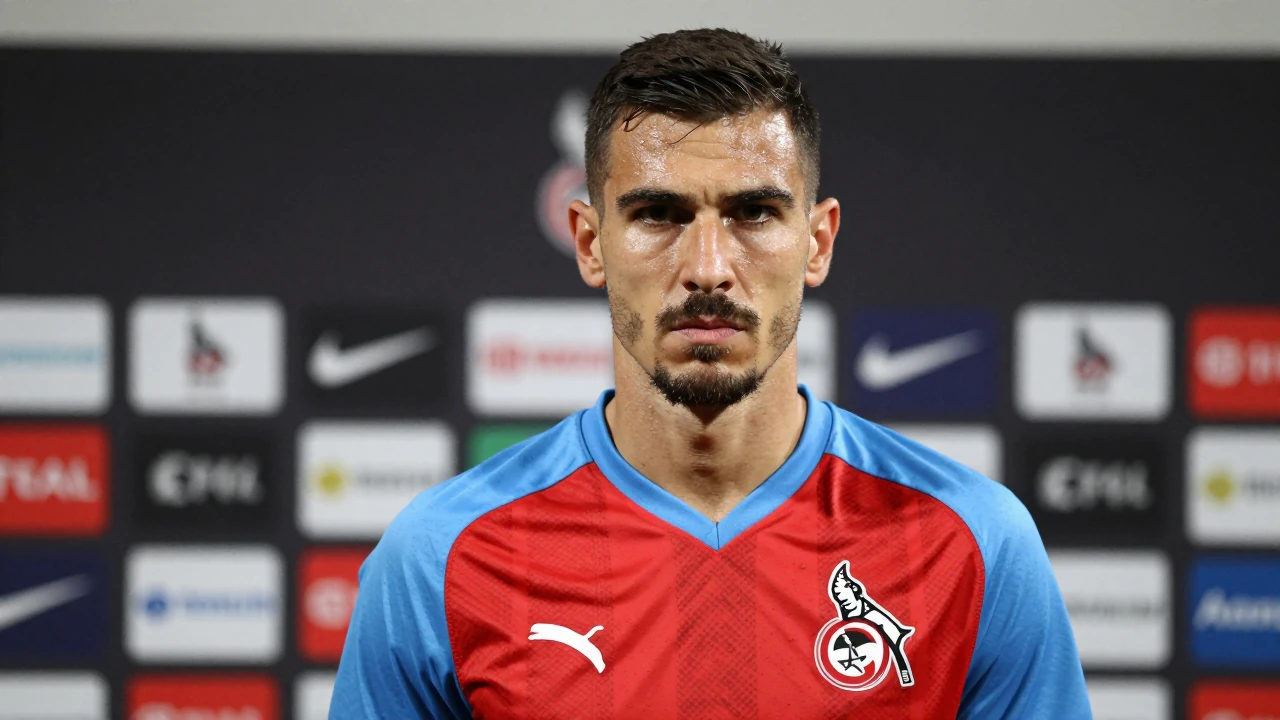
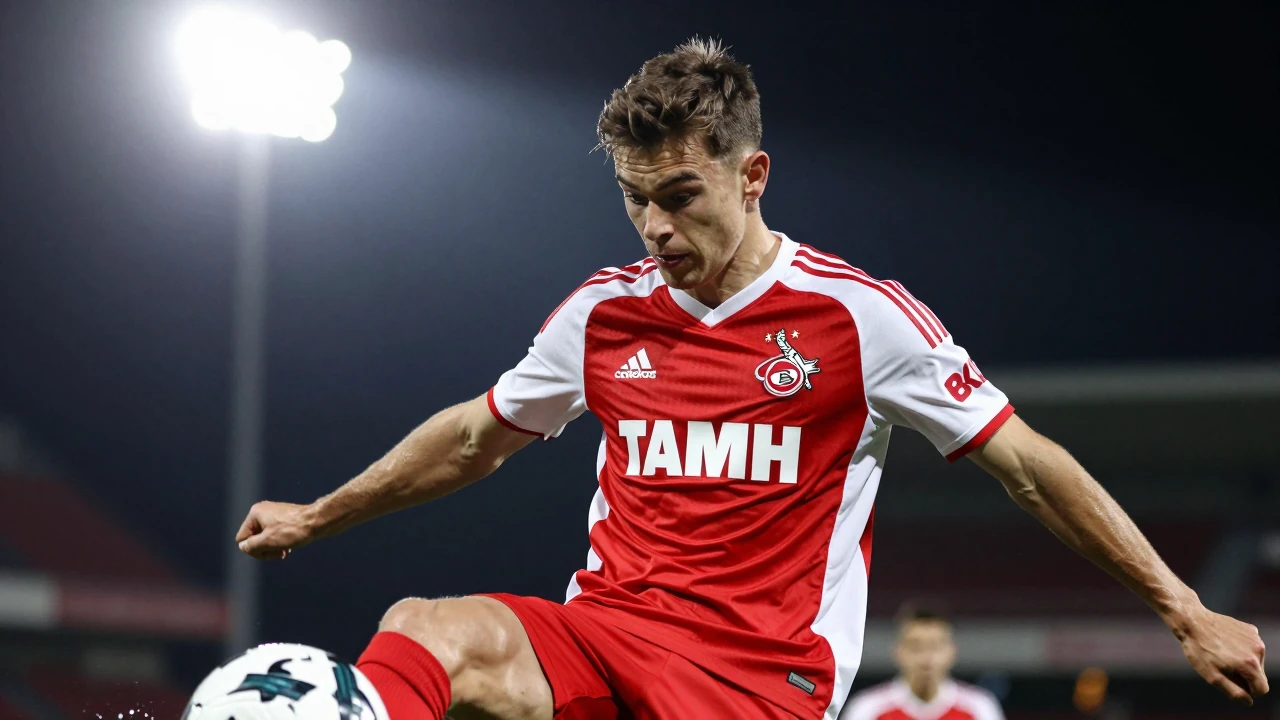
In recent weeks, 1. FC Köln has delivered a mixed performance, showcasing both highs and lows. While some matches shone with solid defensive work and creative attacking play, others were marked by disorder and misunderstandings. To improve their performance, it’s crucial to analyze and adjust the tactical approaches accordingly.
Defensive Structure: Stability Through Flexibility
Köln's defense has shown some weaknesses this season, particularly in dealing with quick counter-attacks and the pressing of opposing teams. A possible adjustment could be the integration of a flexible 3-5-2 system, which would allow the team to organize itself better defensively. In this system, the wing-backs could not only defend but also join the attack, creating overloads on the flanks.
Midfield Dynamics: Creativity and Control
In midfield, Köln often lacks creative ideas. A switch to a 4-2-3-1 formation could remedy this by allowing a creative player, such as Ondrej Duda, to operate centrally behind the strikers. This would not only provide the team with more creative freedom but also allow for more effective ball control. Additionally, the double pivot in midfield could help maintain defensive stability while enabling quick transitional moments.
Offensive Variability: More Options in Attack
Köln has frequently struggled in the attack against well-organized defenses. To increase variability, deploying two agile strikers, perhaps through a combination of Steffen Tigges and Anthony Modeste, could be beneficial. This setup can not only put pressure on the opposing defense to create more space but also present opportunities for quick combinations in the penalty area.
Conclusion: A New Tactical Face
Overall, a strategic adjustment could help Köln become both more defensively stable and more creative in their build-up play. The Geißböcke have the potential to be competitive in the Bundesliga, and targeted tactical changes could be the key to turning the season around.