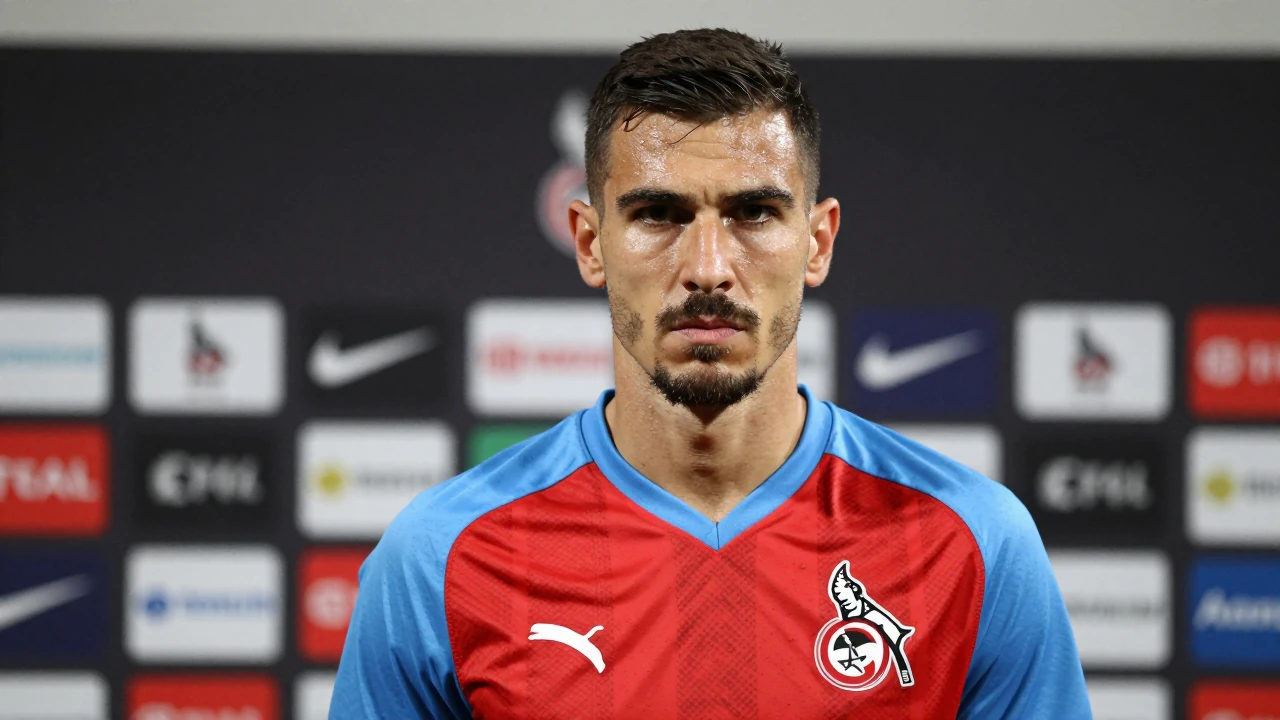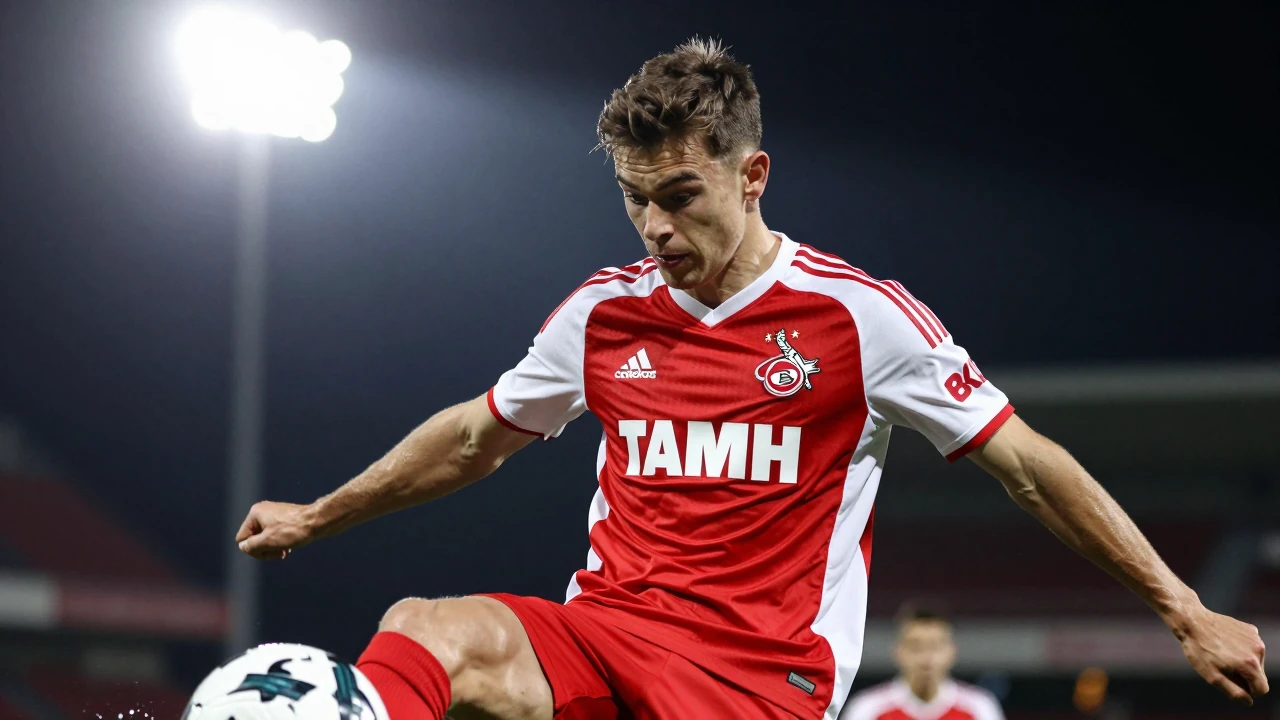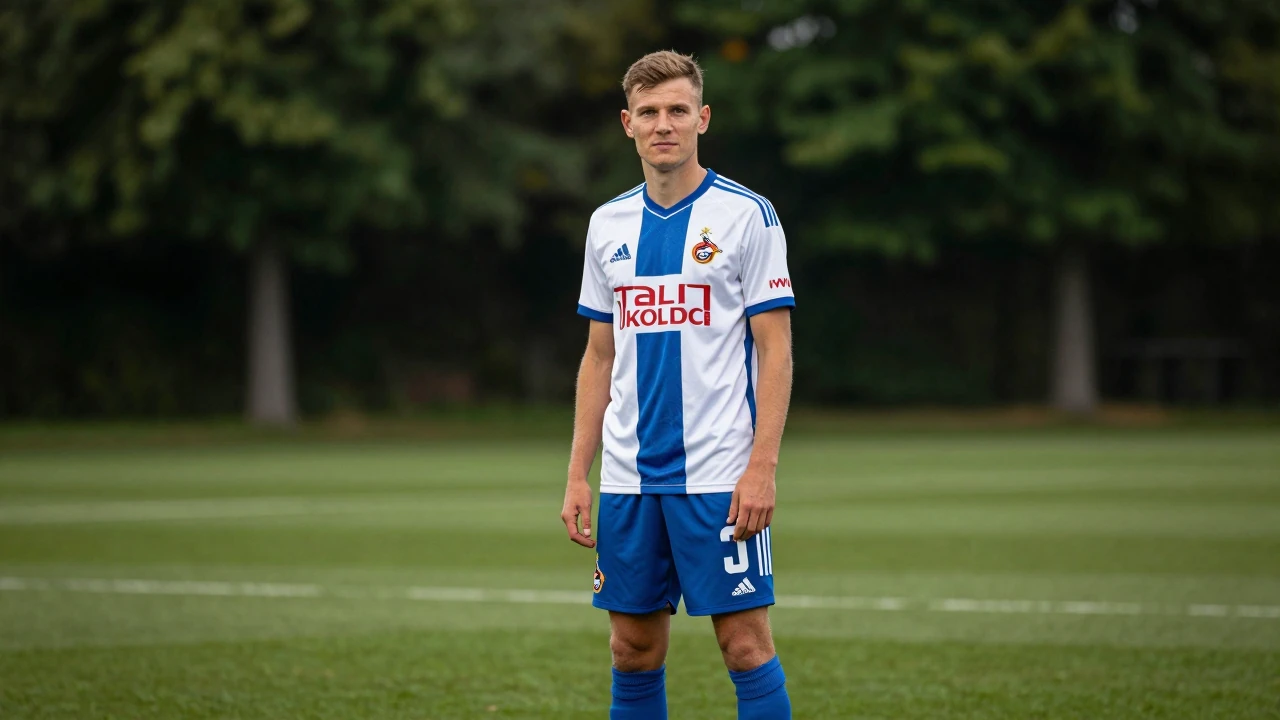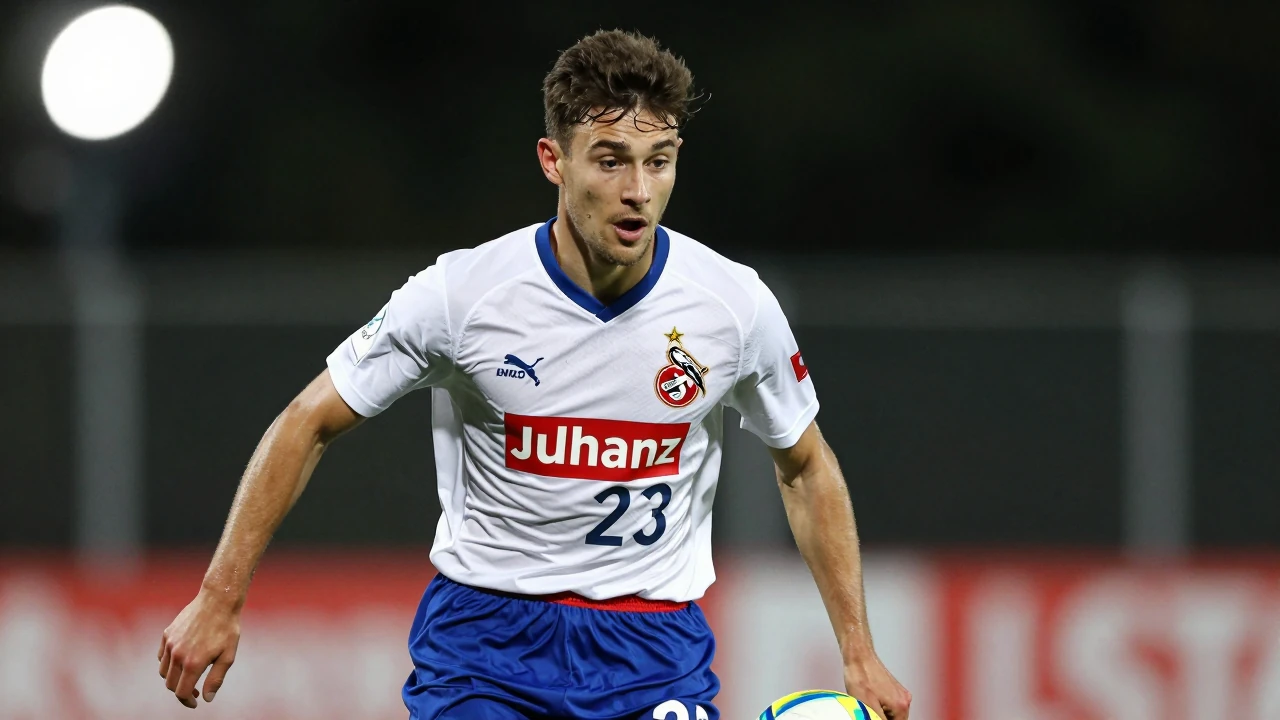
In the vibrant city of Cologne, where the Rhine gently kisses the shores, football is not just a game; it's a way of life. For the fans of 1. FC Köln, affectionately known as the Geißböcke, every home matchday is a celebration of community, tradition, and identity. The anticipation for a derby against Borussia Mönchengladbach is particularly palpable, as the rivalry between the two clubs runs deep in history.
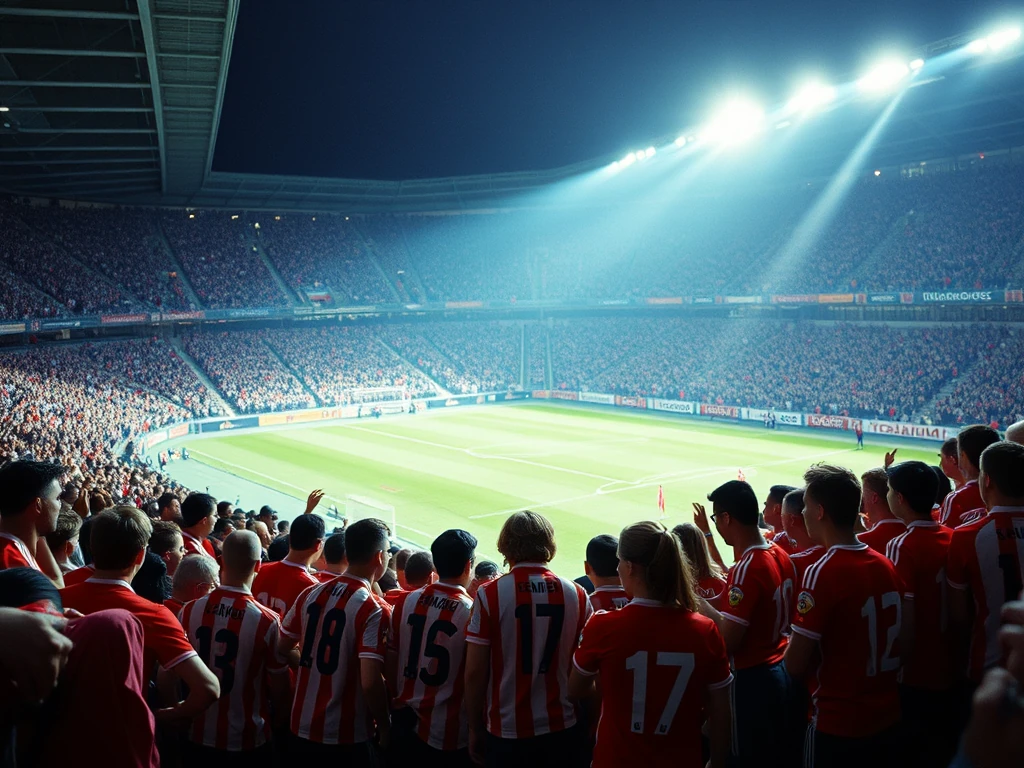
A typical matchday begins early in the morning, with the first fans showing up in the streets surrounding the stadium. In the city's cafés and pubs, lively discussions take place, plans are made, and the latest news about the team’s lineup is exchanged. The excitement is tangible; it’s part of the collective consciousness of the people of Cologne. The streets fill with the club’s colors-red and white-and the aroma of bratwurst and fresh beer wafts through the air.
When the gates of the RheinEnergieStadion open, fans flood in as if a wave of enthusiasm is washing over the stadium. The first notes of the anthem “You'll Never Walk Alone” fill the air, and goosebumps spread across the crowd. This anthem is more than just a song; it symbolizes solidarity and unity, connecting the fans together.
Another ritual that shapes the atmosphere in the stadium is the choreography of the fans. During each derby against Gladbach, the North Curve transforms into a sea of colors and creative banners celebrating the passion and history of the Geißböcke. Fans invest hours into preparing these choreographies, and the moment they are unveiled makes the air crackle with excitement. It’s a visual spectacle that further motivates the players on the pitch and intimidates the opponents.
The chants of the fans are another distinctive element of Cologne’s football culture. They are loud, catchy, and often humorous, with many songs referencing local circumstances or the rivalry with Gladbach. These chants echo not only through the stadium but also throughout the neighborhood, contributing to a unique energy surrounding the entire match.
After the game, regardless of the outcome, the celebration in the stadium is often almost magical. Fans gather to support the team, even if they may not have delivered the desired performance. This loyalty is a core component of the fan culture, showing that the relationship between the Geißböcke and their supporters goes beyond wins or losses.
In Cologne, football is more than just a sport; it's part of the city's identity. The rituals and traditions surrounding the Geißböcke are a testament to the unwavering passion and community spirit of the fans. As we look forward to the next encounter against Borussia Mönchengladbach, the anticipation and confidence remain that the magic of football in Cologne will never end.